Introduced to the sport as a child, Rebecca Lamb has gone on to become a European and British Adaptive Champion and Grand Slam gold medallist, while also giving back to the sport as a coach. As part of Scottish Women and Girls in Sport Week, Rebecca reflects on how adaptive judo transformed her competitive career, the support network behind her success, and why creating opportunities for women, girls and adaptive athletes is vital for the future of the sport.
What first got you involved in judo, and what made you want to keep coming back to the sport?
“I first got involved in judo when I was 9 years old and saw a judo demonstration at my primary school. I was really interested, so my sister and I decided to give it a go. Funnily enough, I wasn’t immediately hooked, but my sister was. She kept going at it, and seeing her doing so well made me give it another go, and I’ve not looked back since.
What kept me going was the fact that I found judo fun; it was a great way to make friends. Furthermore, both my sister and I were quite competitive with each other, so we would egg each other on.”
How were you introduced to the adaptive judo pathway, and what was your first experience of it like?
“I was introduced to the Adaptive circuit by fellow Scottish adaptive athlete Chris Murphy. He had been trying for ages to get me to have a go, and I agreed to give it a go at the British Adaptive Open.
Initially I was quite nervous as I had never heard of adaptive judo before, so I didn’t know what to expect. Those nerves were quickly proven to be unnecessary as I had a fantastic time at the competition. I got to meet and get to know a lot of people who I call friends now. I found the event a lot easier to process than competitions I had done before, which was great for me; it was a lot less overwhelming and more fun. Adaptive judo is like one big family, and I felt everyone welcomed me into open arms”.
How have the opportunities available through adaptive judo helped you develop as an athlete and progress through your judo journey?
“The opportunities provided to me have been immense. I have competed and travelled to different countries that I could have only dreamed of before. It has encouraged me to come out of my comfort zone, and I’ve managed to hit some amazing milestones. Before Adaptive judo, I was seriously considering stopping competitive judo due to how overwhelming it was, so I am so thankful it has given me the opportunity to continue my passion. I have noticed that since competing I’ve become a lot more confident in my ability and have made so many new friends from all over the world. ”
You are a European and British Champion, as well as a Grand Slam gold medallist. What did winning these titles mean to you personally?
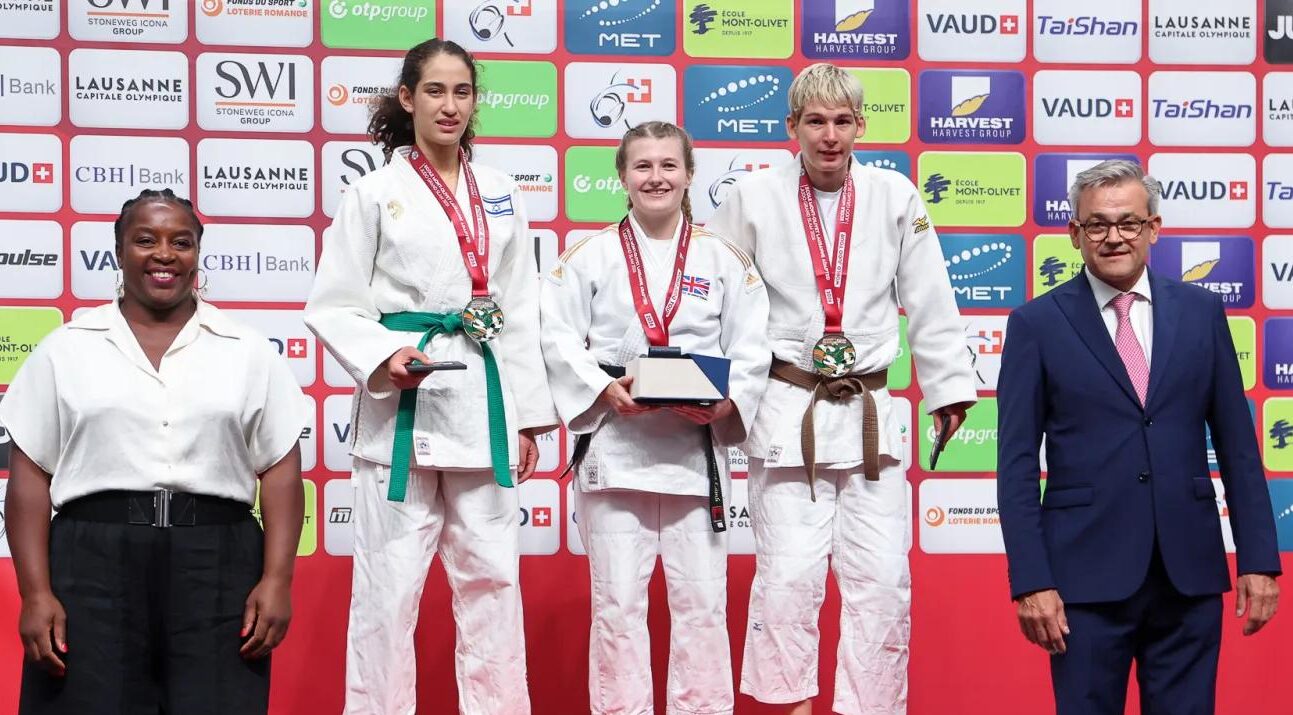
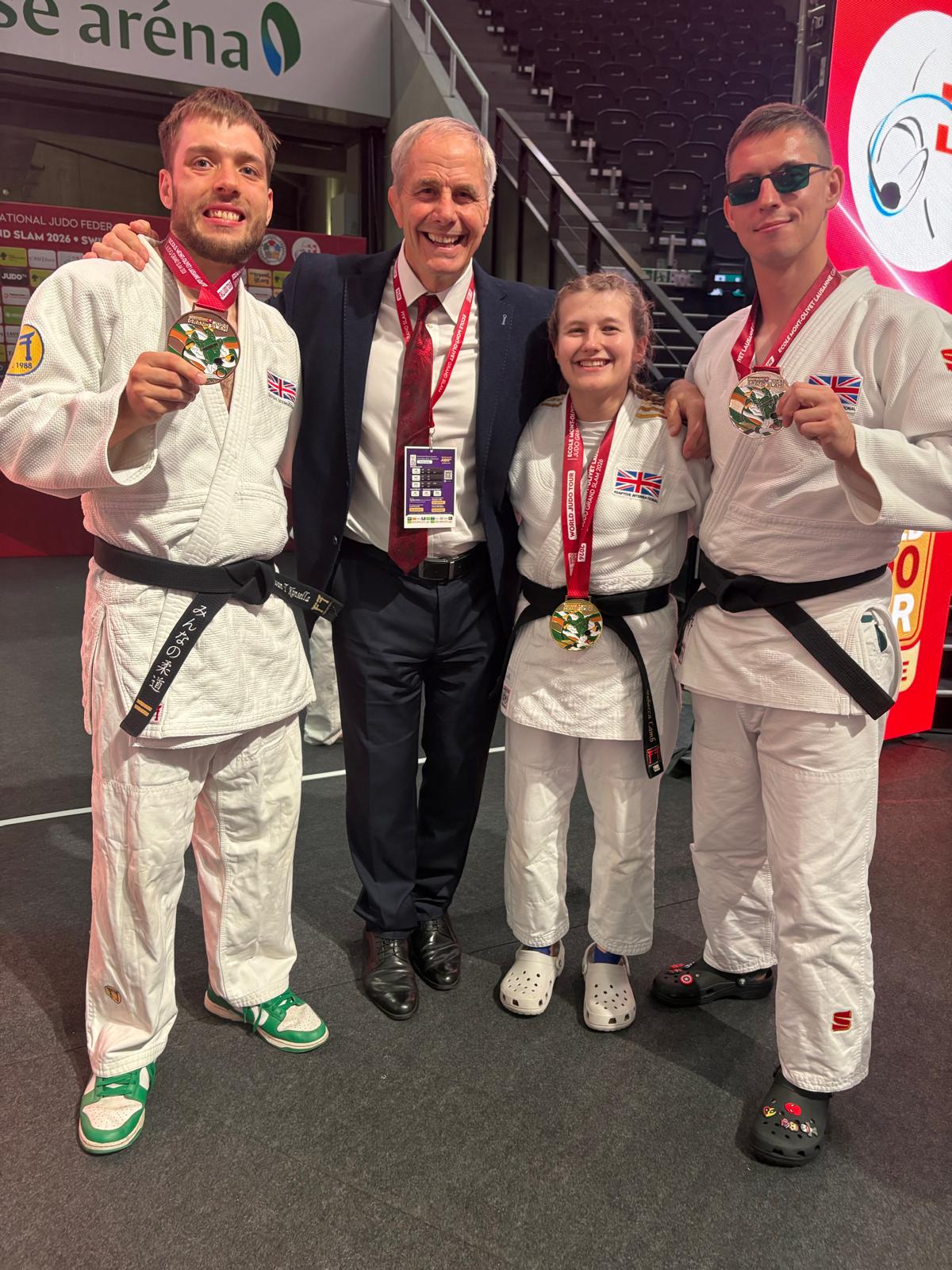
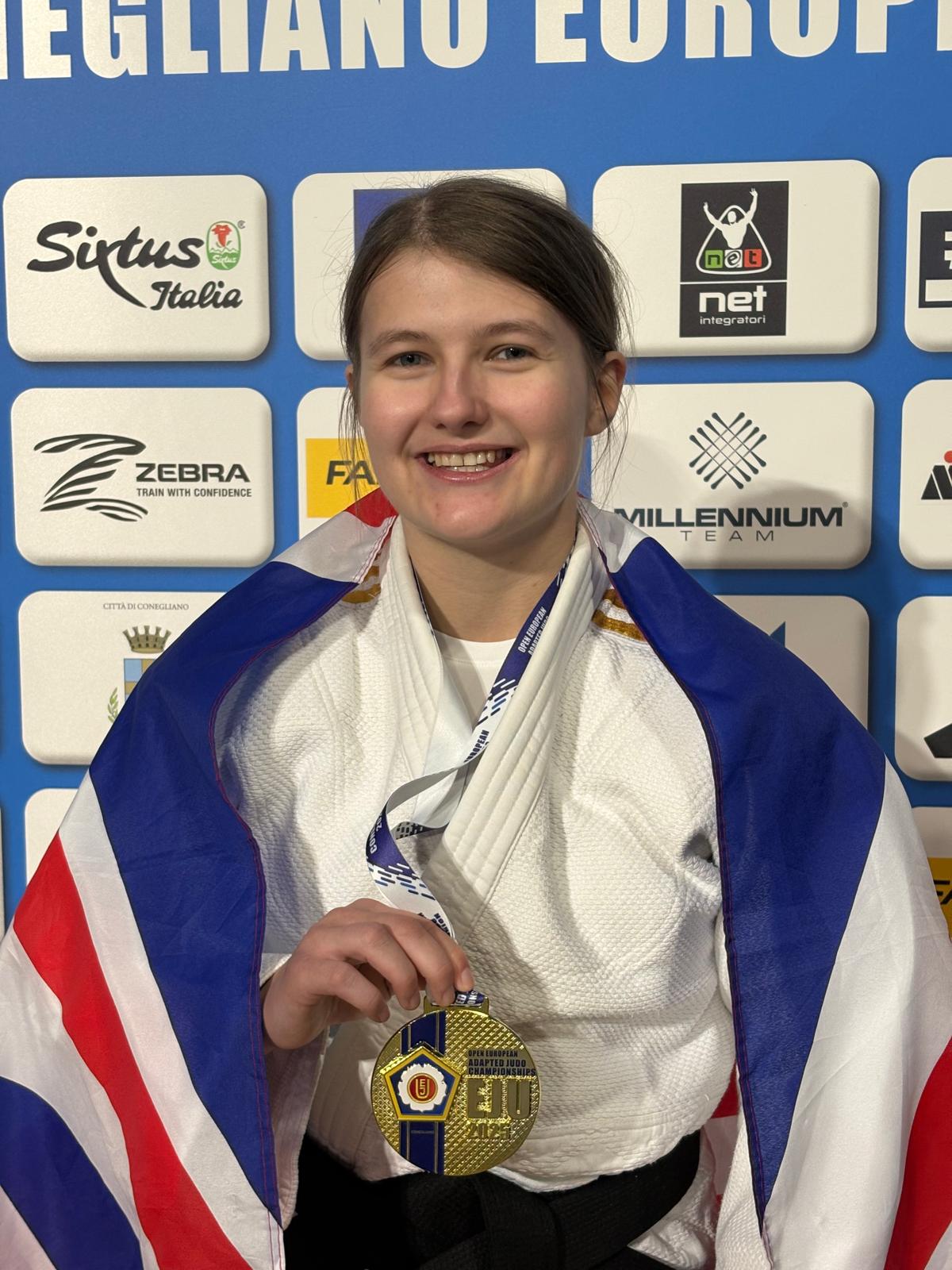
“When I got the emails selecting me for these massive competitions, I was speechless. It just felt like a dream come true, so to not only compete but actually win these titles has been surreal. Getting the opportunity to stand on the big podium, hearing the national anthem and the whole team behind you, brought me close to tears. I’m just so thankful that I have had such great support from my family and friends, my coaches and the adaptive judo family. This past year has been quite the emotional rollercoaster, and I can’t wait to go to Serbia to try to defend my European title in the coming weeks.”
Who has been your biggest supporter or inspiration throughout your adaptive judo journey, and what impact have they had on you?
“I think I have done so well because I have always had a big circle of support throughout my journey; I don’t think I could name one person without saying them all.
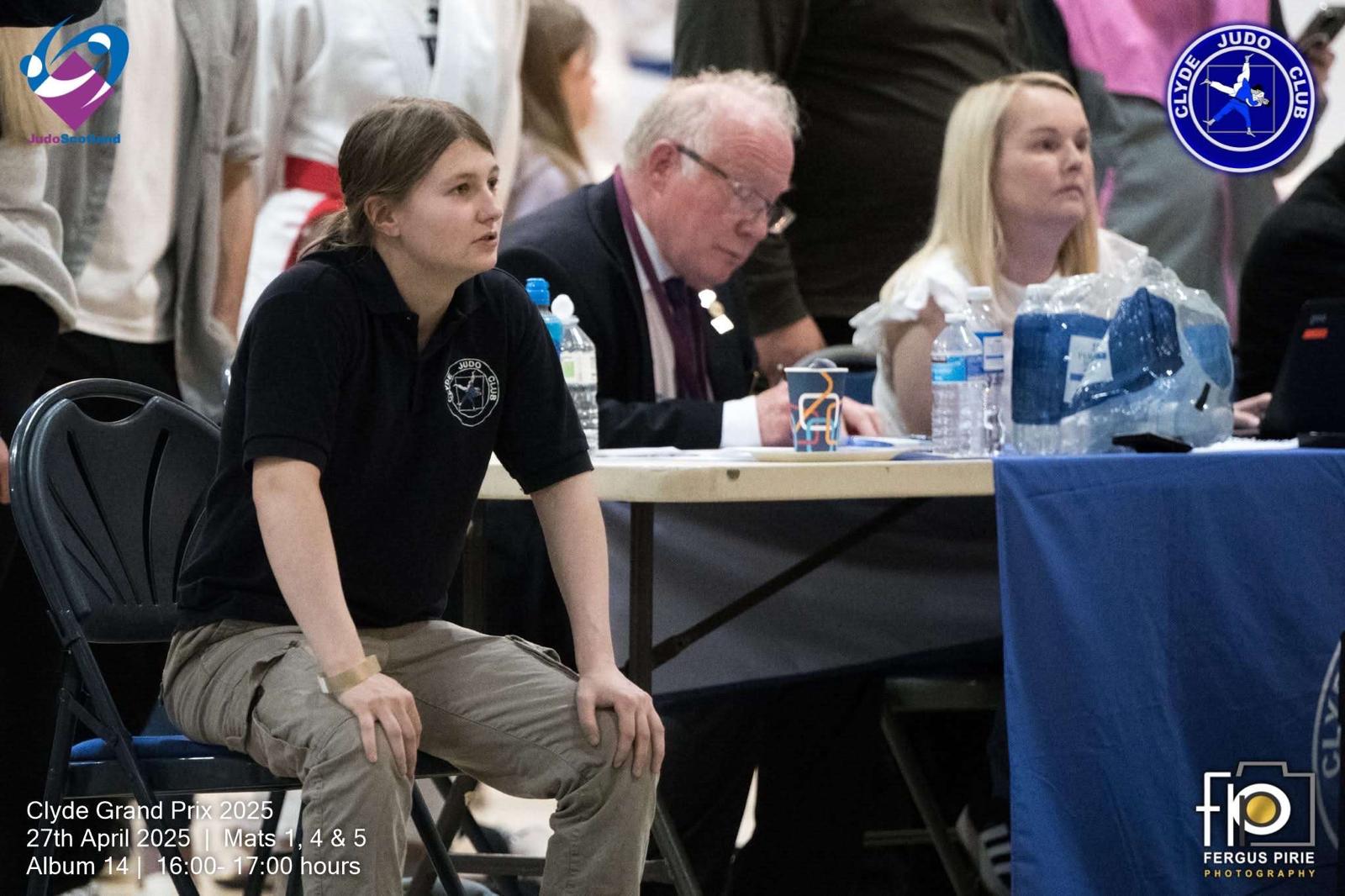
Of course, my family for taking me here, there and everywhere and funding my judo growing up, and my sister helping me train and motivating me to keep doing better. Clyde Judo for coaching me all the way up to 2nd Dan black belt till now, supporting my growth on and off the mat. Rebecca Bradley as my best friend and coach, helping me through judo and life. Kiera, my lovely fiancé, who has been my rock and a massive support throughout my journey. Tony, my strength and conditioning coach, who has helped me massively with my strength and power, which has saved me quite a few times on the mat. Strathclyde University Judo Club, where I coach and who all support and are massive cheerleaders for me. And the adaptive judo family for welcoming me and encouraging me throughout, especially Chris for introducing me to what Adaptive Judo is.”
Why do you think it is important for adaptive judoka to have the opportunity to train, compete and progress within the sport?
“I think it is extremely important for adaptive judoka to have these opportunities, as disability sport in general is so important. It’s been proven to improve physical and mental wellbeing and can build up players’ confidence and promote friendships. Furthermore, having these pathways of progression breaks barriers and allows athletes to become role models for other judoka to look up to. Almost like an ‘if they can do it, I can do it’ mentality. Equal opportunity for all is vital, and having these opportunities gives adaptive judoka the chance to show off their abilities and demonstrate good judo without barriers.”
What challenges or setbacks have you faced, and how have you overcome them?
“I have faced many challenges within my judo career, from long-term challenges with my coordination difficulties, which come with my Autism and how my brain processes things, to short-term challenges from injury or work commitments. I find the best way to overcome these challenges is to be resilient, rely on my support network and keep driving because no matter how slowly you are going, as long as you are moving forward, you are better than where you were yesterday. The great part of adaptive judo is that it is all about ability and what you can do, and it encourages adaptation to best support each other.”
Alongside competing, you are also a coach. What do you enjoy most about coaching, and what does it mean to support others through their own judo journeys?
“My favourite part about coaching is seeing the impact you have on your players and seeing them grow and develop. I am so proud of every single person I coach, and I am privileged to be a part of their judo journey to support their hobbies, passions and ambitions. I try my best to encourage my players to be their best selves, have fun and keep driving to achieve their goals, which for me is very satisfying to be a part of and further increases my love of judo.”
What advice would you give to another person who is looking to progress or start their judo journey?
“Give it a go, have fun and always take any opportunity with both hands. There is zero rule book for how a judo journey must be done so do what you enjoy. Don’t be afraid to step out of your comfort zone, as that is how you can grow and support each other, because community is a massive part of what makes judo great!”
As part of Scottish Women and Sport Week, what does being a woman in sport mean to you, and what would you like to see for the future of women and girls in judo?
“I absolutely love promoting women’s judo and women and girls in sport. I have been very lucky to have so many strong and inspirational women in my life from my mum, my sister, my coaches, my fiancé and my judo friends. Being a woman in sport for me means breaking barriers, having fun and supporting each other. In the future, I hope every woman and girl within judo can experience what I have, have plenty of role models to look up to and people who support you. I hope that I can have a positive impact as a female coach and continue to foster a supportive environment and increase engagement within judo or fitness in general.”